
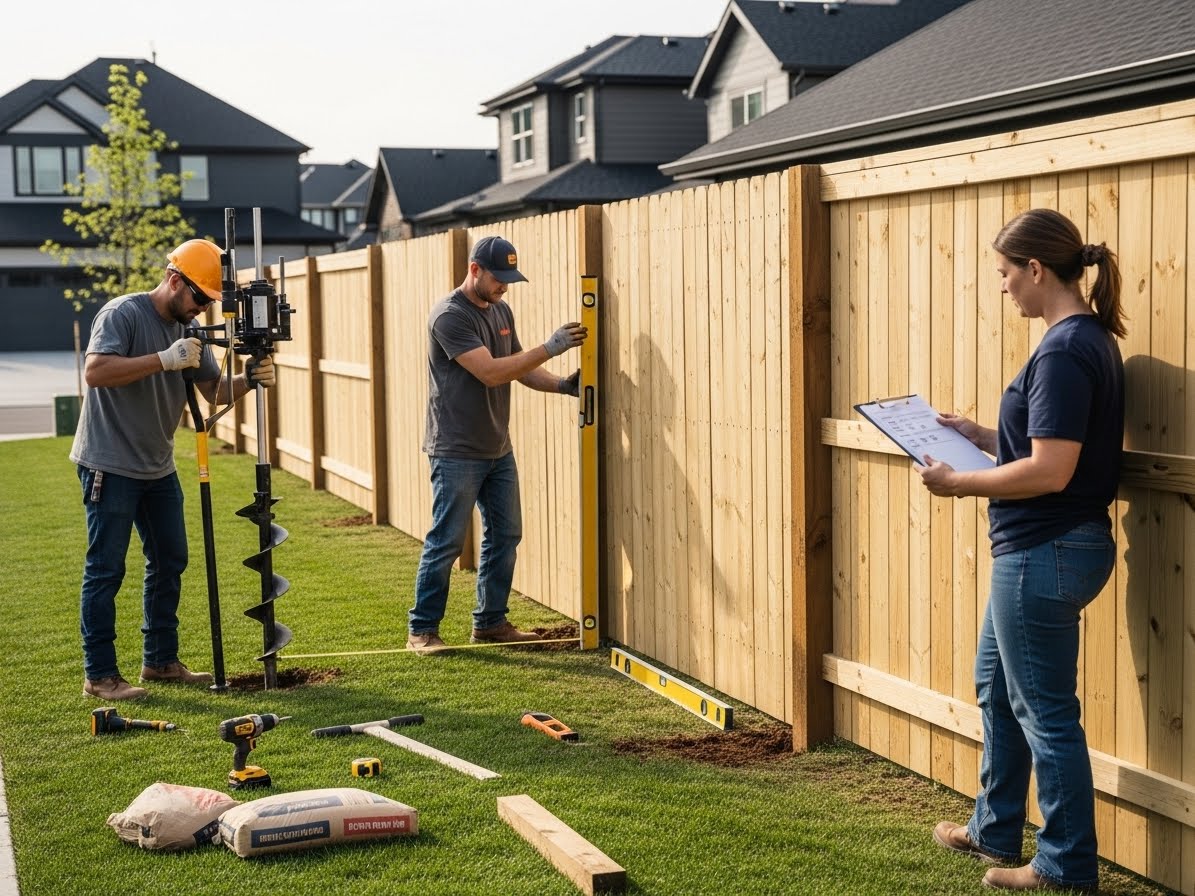
Installing 100 feet of fencing will cost you somewhere between $1,500 and $7,000 in most cases. That’s a pretty wide range, right? The final number depends mainly on what material you choose, how much contractors charge in your area, and whether you need extras like gates or special features.
If you’re trying to save money, chain-link fencing starts around $1,000 to $3,000 for 100 feet. Want something nicer? Wood or vinyl fences typically run $2,000 to $7,000 or more. And if you’re adding gates, dealing with tricky terrain, or going for a premium look, expect the price to climb higher.
The key is getting quotes from several contractors before you decide anything. Prices can vary a lot, and you don’t want to overpay for something that another company would do for less.
What Does "100 Feet of Fencing" Mean?
When people talk about fencing, they measure it in linear feet. That’s just the length of the fence in a straight line.
So 100 feet of fencing means you’re covering 100 feet of ground with fence panels or boards. It doesn’t matter if it’s a straight line or wraps around corners. You’re still buying and installing 100 feet worth of material.
This matters because contractors price fencing by the linear foot. They’ll quote you something like “$25 per foot,” and then multiply that by how many feet you need. Understanding this helps you compare quotes and see if you’re getting a fair deal.
Average Cost to Install 100 ft of Fencing
Here’s what most homeowners end up paying:
Low-end: $1,000 – $1,500
This is basic chain-link or the cheapest wood options. You’re getting function over form here.
Mid-range: $2,000 – $4,500
This covers decent wood fences, vinyl, or nicer chain-link with better installation. Most people land somewhere in this range.
High-end: $5,000 – $7,000+
Think premium wood like cedar, high-quality vinyl, or decorative metal. You’re paying for looks, durability, and often more labor.
Material type is the biggest factor. Chain-link is cheap. Wood costs more. Metal and fancy vinyl? Even pricier.
Labor rates change depending on where you live. Big cities charge more per hour than rural areas. A contractor in New York will cost more than one in Ohio.
Property conditions matter too. Is your yard flat and easy to work with? Or is it sloped, rocky, or full of tree roots? Difficult terrain means more work and higher costs.
Custom features like decorative post caps, special stains, or intricate designs add to the bill. Every upgrade costs something.
Cost Breakdown by Fence Material
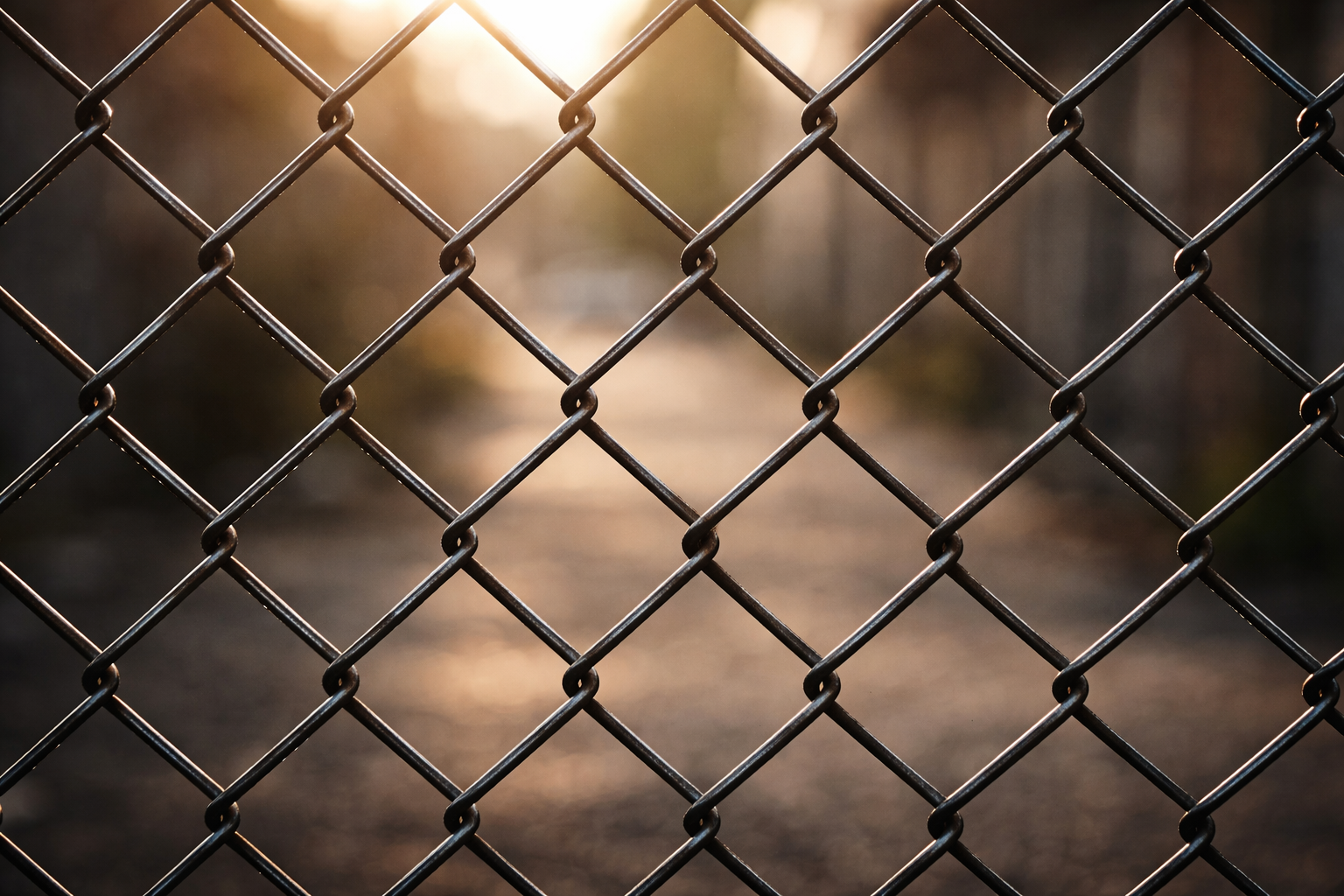
Chain-link is the budget champion. It’s durable, keeps pets and kids contained, and doesn’t need much maintenance. Sure, it’s not the prettiest option, but it gets the job done without breaking the bank.You’ll see chain-link in backyards, around playgrounds, and at commercial properties. It lasts 15-20 years with minimal upkeep.
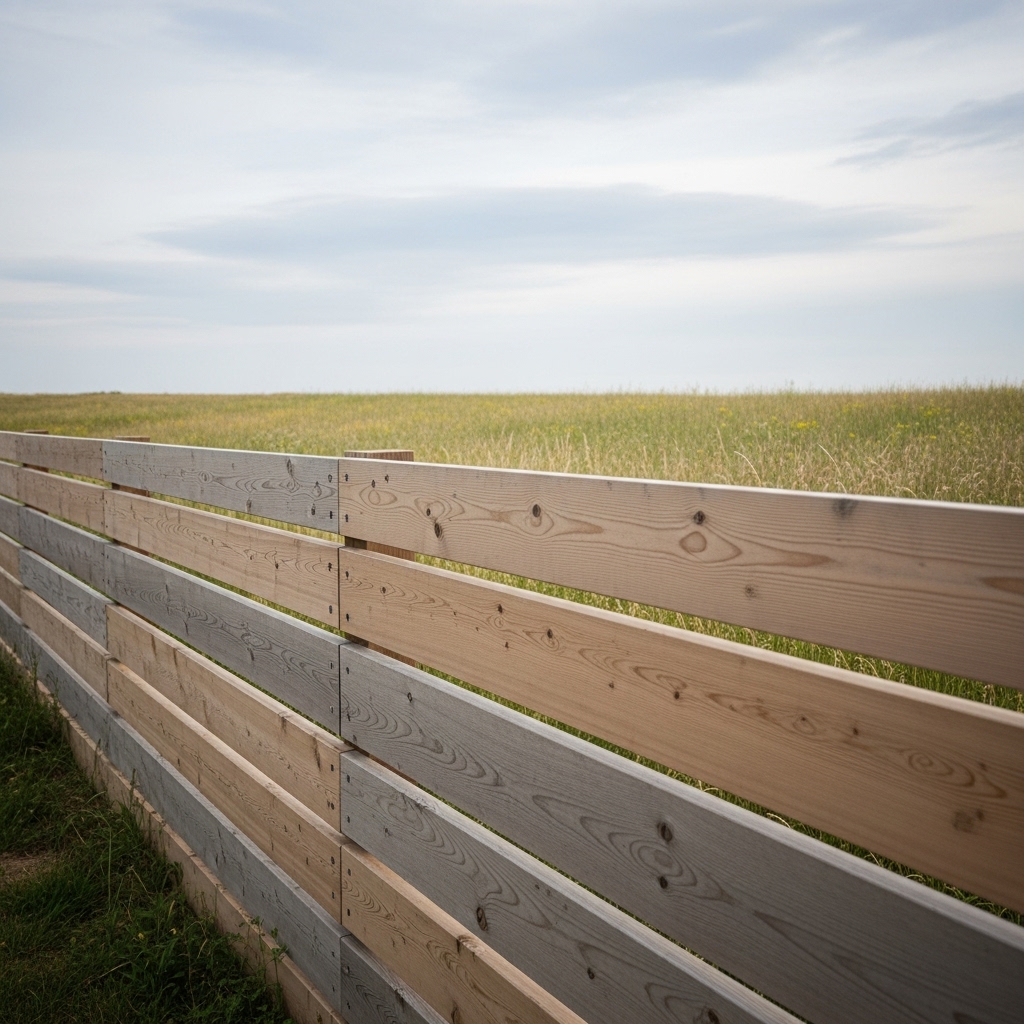
Wood fencing gives you privacy and looks great. Cedar and redwood cost more but resist rot and insects better than pressure-treated pine.
The downside? Wood needs maintenance. You’ll be staining or painting every few years to keep it looking good. But if curb appeal matters to you, wood delivers.
Expect the higher end of this range for cedar or custom designs. Basic pine fences stay closer to $2,000-$3,000.
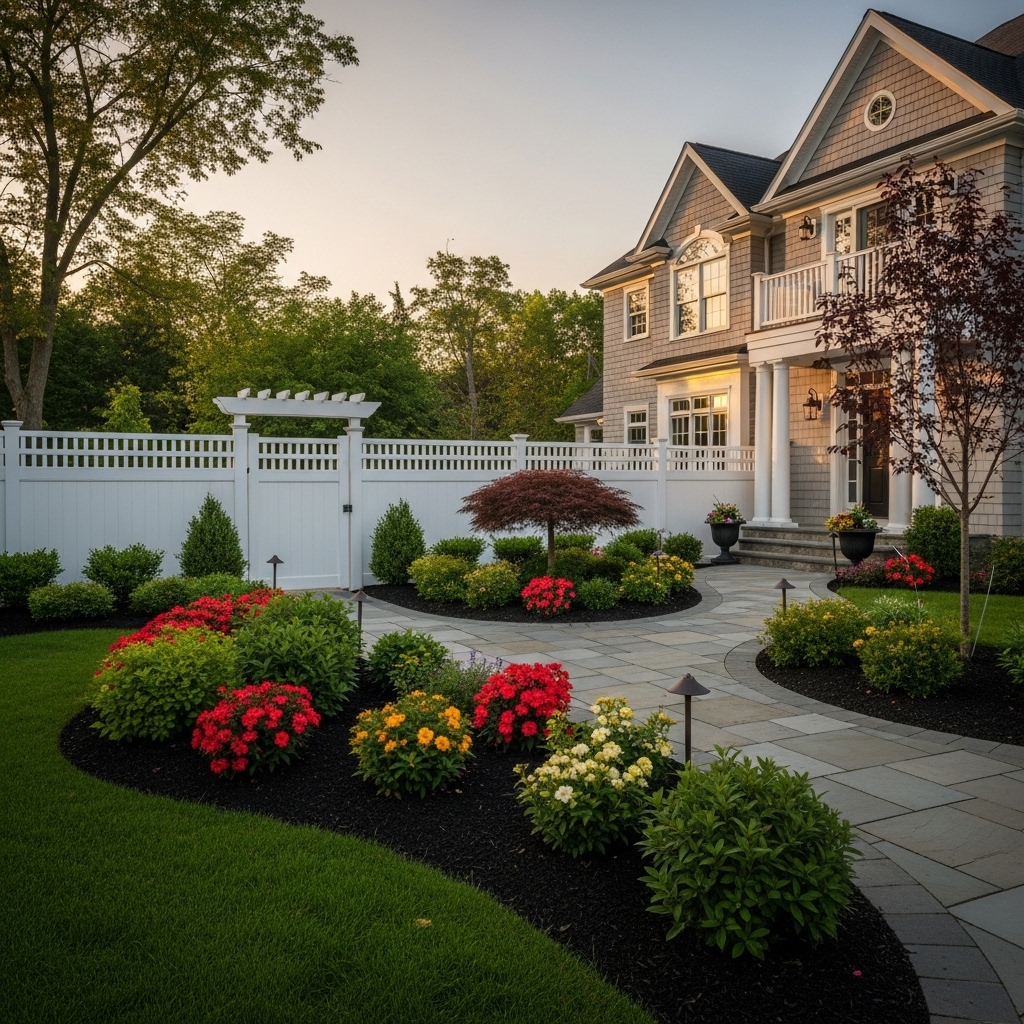
Vinyl is the low-maintenance winner. No painting, no staining, just occasional washing with a hose.
It comes in white, tan, and other colors that won’t fade much over time. Vinyl handles weather well and can last 20-30 years. The upfront cost is higher than wood, but you save on maintenance later.
Good choice if you want something that looks nice without the hassle of upkeep.
Metal fencing screams “premium.” It’s strong, secure, and adds serious curb appeal.Aluminum is lighter and cheaper than wrought iron but still looks elegant. Wrought iron is heavier, more traditional, and more expensive. Both resist rust when properly coated.These fences work great for front yards where you want security without blocking the view. They’re also popular around pools for safety.

Labor Cost for Installing 100 ft of Fence
Labor typically runs $30 to $80 per hour, or contractors might charge $8 to $30 per linear foot.
What labor includes:
- Digging post holes (usually 2-3 feet deep)
- Setting posts in concrete
- Installing fence panels or boards
- Making sure everything’s level and secure
- Cleaning up the work site
Where you live affects pricing big time. Urban areas with higher costs of living charge more. Rural areas are usually cheaper.The type of soil matters too. Rocky or clay-heavy ground takes longer to dig, which means more labor hours and higher costs.
Additional Costs to Consider
- Gates: $150–$1,000+ each
You’ll need at least one gate. Basic gates start around $150-$300. Fancy or large gates can hit $1,000 or more. Double gates for driveways cost even more. - Removal of old fence
If you already have a fence, someone needs to tear it out. That’s usually $200-$500 extra, depending on how much there is and what it’s made of. - Land grading or leveling
Sloped or uneven ground might need grading before installation. This can add $500-$2,000 to your project. - Permits & inspections
Some cities require permits for fences. These usually cost $50-$400. Check with your local building department before starting work. - Decorative upgrades
Want decorative post caps? Lattice tops? Custom colors? Each upgrade adds to the total. Post caps might add $5-$20 per post. Lattice sections add $20-$50 per panel.
How Long Does It Take to Install 100 ft of Fencing?
A simple installation on flat ground takes 1-2 days with a professional crew.
Complex terrain, multiple corners, or difficult soil can stretch the job to 3-5 days. Weather delays things too. Rain or extreme heat can pause work.
Crew size matters. Two experienced installers work faster than one person working alone. Most fence companies send a 2-3 person team for residential jobs.
DIY vs Professional Installation Cost
DIY
Lower upfront cost: You’re only paying for materials, which cuts the bill roughly in half.
Tool rental: You’ll need a post hole digger (or auger), level, saw, and other tools. Renting these costs $50-$200 for a weekend.
Time investment: Plan on several full days of work, especially if you’re learning as you go.
Risk of mistakes: Posts that aren’t level or panels that don’t line up right look bad and might not last. Fixing mistakes costs time and money.
Professional
Higher cost: You’re paying for labor, which often doubles the price.
Faster completion: Pros knock out 100 feet in a day or two.
Warranty & workmanship guarantee: Good contractors stand behind their work. If something goes wrong, they fix it.
DIY makes sense if you’re handy and have time. But for most people, hiring a pro saves headaches and ensures the fence lasts.
How to Get the Best Price
- Compare at least 3 quotes
Never go with the first contractor you call. Get three or more quotes and compare them carefully. Make sure each quote covers the same materials and work. - Choose materials wisely
You don’t always need the most expensive option. Mid-range materials often provide great value without maxing out your budget. - Schedule during off-season
Fall and winter are slower for fence contractors in many areas. They might offer discounts to keep crews busy during slow months. - Avoid unnecessary upgrades
Fancy post caps and decorative panels look nice but add up fast. Decide what you really need versus what’s just nice to have.
Common Mistakes That Increase Cost
Poor measurements: Measuring wrong means ordering too much or too little material. Too little means extra trips and delays. Too much means wasted money. Measure twice, order once. Or better yet, have your contractor do it.
Choosing the wrong materials: Putting wood in a wet climate without proper treatment leads to rot and early replacement. Using cheap chain-link where you need privacy doesn’t solve your problem. Match the material to your needs and environment.
Ignoring permits: Building without required permits can lead to fines and forced removal. Some cities are strict about this. Check local rules before starting.
Skipping proper site prep: Not clearing roots, rocks, or debris makes installation harder and more expensive. Prep work saves money later.
Final Thoughts
Fencing costs vary so much because every project is different. Your neighbor’s $2,500 wood fence might cost you $4,000 if your yard has more corners, rockier soil, or requires permits they didn’t need.
That’s why detailed quotes matter. Don’t just accept a ballpark number. Get it in writing with everything included: materials, labor, gates, removal, permits, everything.
And here’s the thing about price: the cheapest option isn’t always the best deal. A $1,200 fence that falls apart in five years costs more in the long run than a $3,000 fence that lasts twenty years with minimal maintenance.
Think about what you really need from this fence. Is it privacy? Security? Keeping your dog contained? Curb appeal? Pick materials and features that deliver on those needs without paying for stuff that doesn’t matter to you.
Get those quotes. Compare carefully. And don’t be afraid to ask questions until you understand exactly what you’re paying for.
