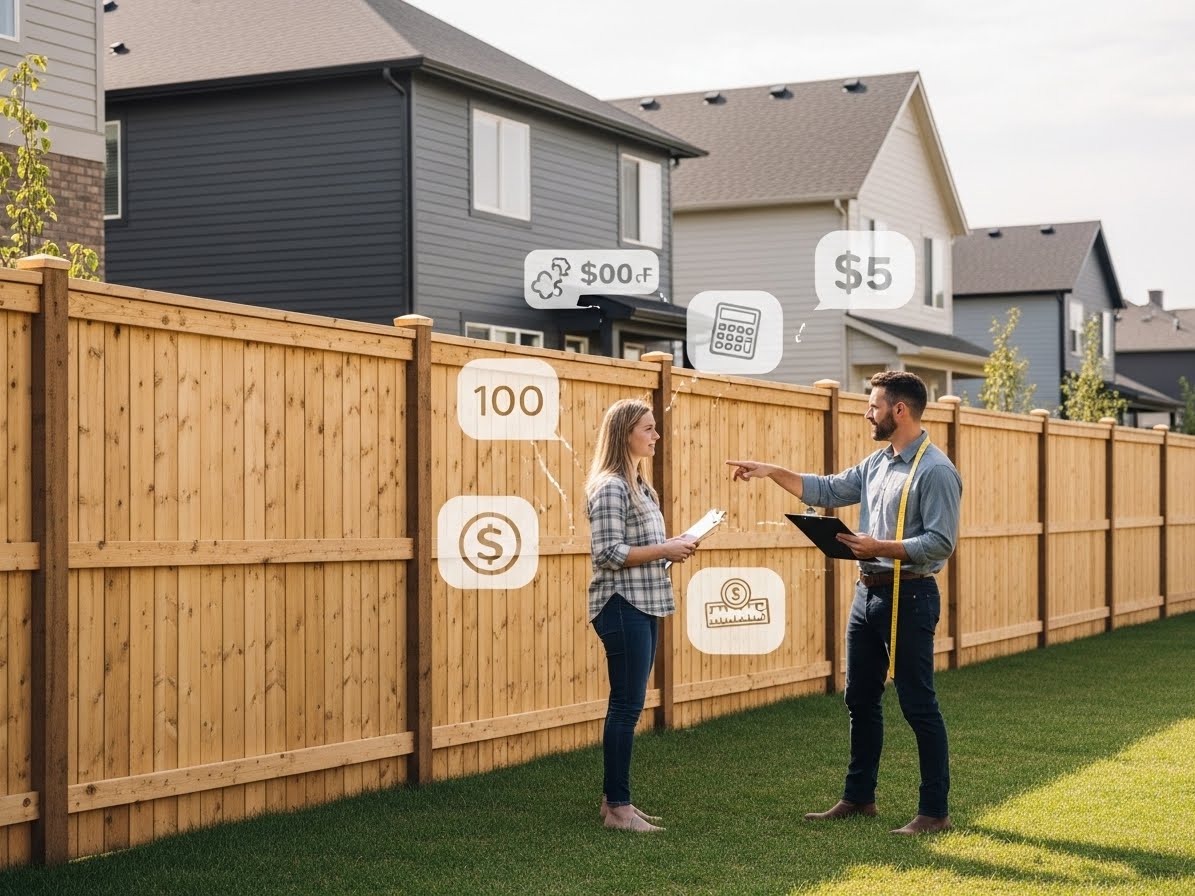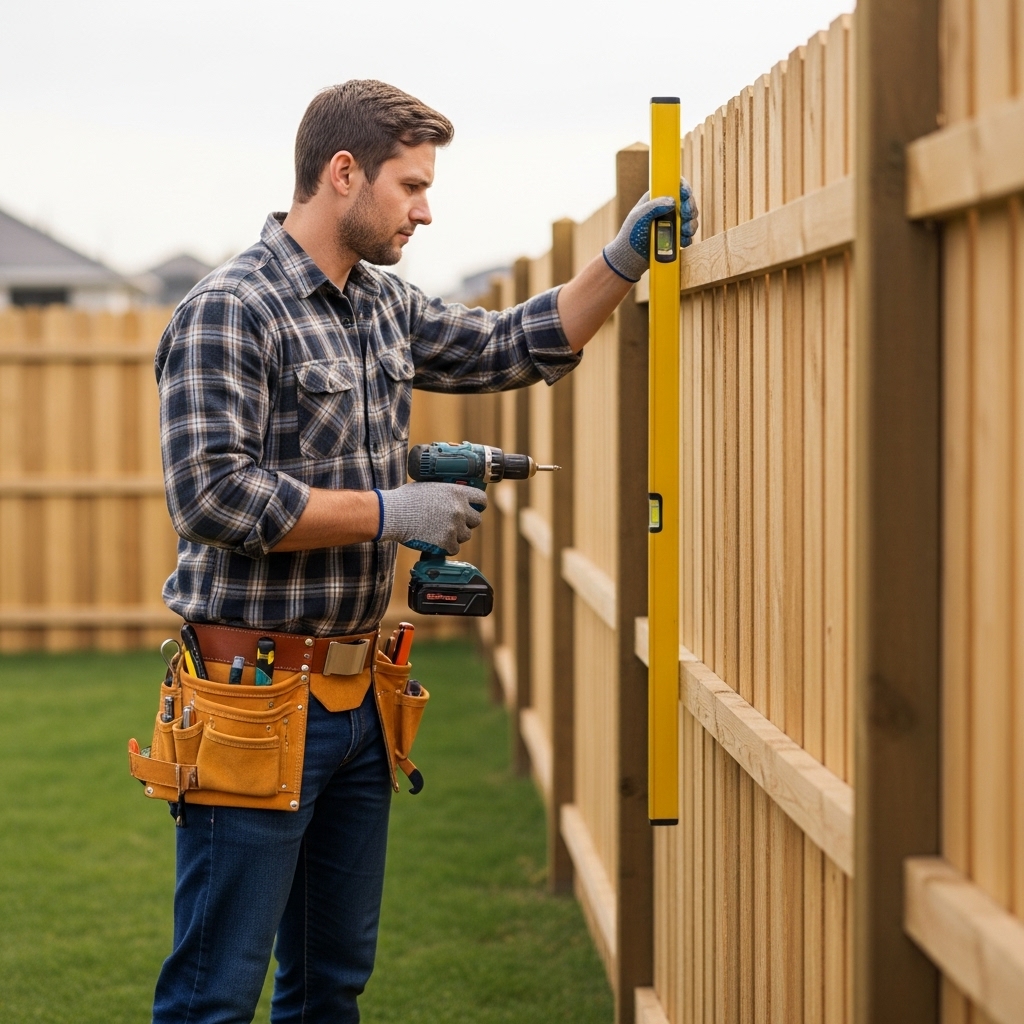
A handyman typically charges between $30 and $60 per hour, or about $24.50 to $63.50 per linear foot for fence installation. That means you’re looking at around $2,000 to $12,000 for most residential projects in Jacksonville.
Planning a new fence? What will it cost? The truth is, fence prices jump around quite a bit depending on what you pick. The material you choose makes a huge difference—so does your yard’s layout and how complicated the job gets.
Here’s the thing: some handymen charge by the hour, while others give you one flat price for the whole project. Understanding these costs upfront helps you avoid surprises later. Whether you’re adding privacy to your backyard or keeping your dog from wandering, knowing what you’ll pay matters.
Let’s break down everything you need to know about fence installation costs so you can make a smart decision for your Jacksonville home.
How Much Does a Handyman Charge to Put Up a Fence?
Most handymen price fence work in one of two ways. They’ll either charge you an hourly rate or quote the job by linear foot.
Here’s what you can expect:
- Per linear foot: $24.50 to $63.50
- Hourly rate: $30 to $60 per hour
- Total project: $2,000 to $12,000+ for average yards
The final number depends on your fence’s length and the material you choose. A simple chain-link fence around a small backyard costs way less than a tall privacy fence around your entire property.
What’s actually included in that price?
When a handyman quotes you a price, it usually covers the basics. You’re paying for materials like posts, panels, and rails. Labor is the big chunk—that’s the actual installation work. Post setting takes time because those holes need to be dug deep enough to hold steady. Hardware and fasteners are part of the deal too, along with cleanup when the job’s done.
Some handymen include everything in one price. Others charge separately for materials and labor. Always ask what’s included before you agree to anything. You don’t want to find out halfway through that removing your old fence costs extra.
Fence Installation Cost by Material
The material you pick has the biggest impact on your total cost. Each type has its own price range, plus different maintenance needs down the road.
Wood fencing runs $20 to $50 per linear foot. It’s the classic choice most people picture. Wood gives you privacy and looks great, but it needs staining or sealing every few years. Cedar and redwood cost more upfront but last longer than pine.
Chain-link fencing is your budget option at $10 to $40 per foot. It’s practical, especially if you just need to contain pets or mark property lines. You won’t get much privacy, though. Chain-link works great for backyards where looks aren’t the main concern.
Vinyl fencing costs $30 to $60+ per foot. It’s pricier at first, but here’s the payoff—you never have to paint or stain it. Just spray it down with a hose when it gets dirty. Vinyl holds up well in Jacksonville’s humid weather without rotting or warping.
Aluminum or metal fencing starts around $35 and can hit $70+ per foot. These fences look sharp and last forever with almost zero maintenance. They’re perfect around pools or front yards where you want style without blocking the view.
How does your material choice affect the bottom line?
Cheaper materials save you money today but might cost more later. Wood looks beautiful but needs regular upkeep. Chain-link lasts a long time but doesn’t add much to your home’s value. Vinyl and metal cost more upfront, but basically take care of themselves.
Installation complexity matters too. Wood is straightforward to install. Vinyl can be trickier because panels need to fit together perfectly. Metal fencing often requires special tools. The harder it is to install, the more your handyman will charge.
Think about longevity too. A cheap fence that falls apart in five years isn’t really a deal. Spending more on quality materials now can save you from replacing everything sooner than you’d like.
Should you hire a handyman or go with professional fence contractors? It depends on your project size and how complicated things get.
When a handyman makes sense:
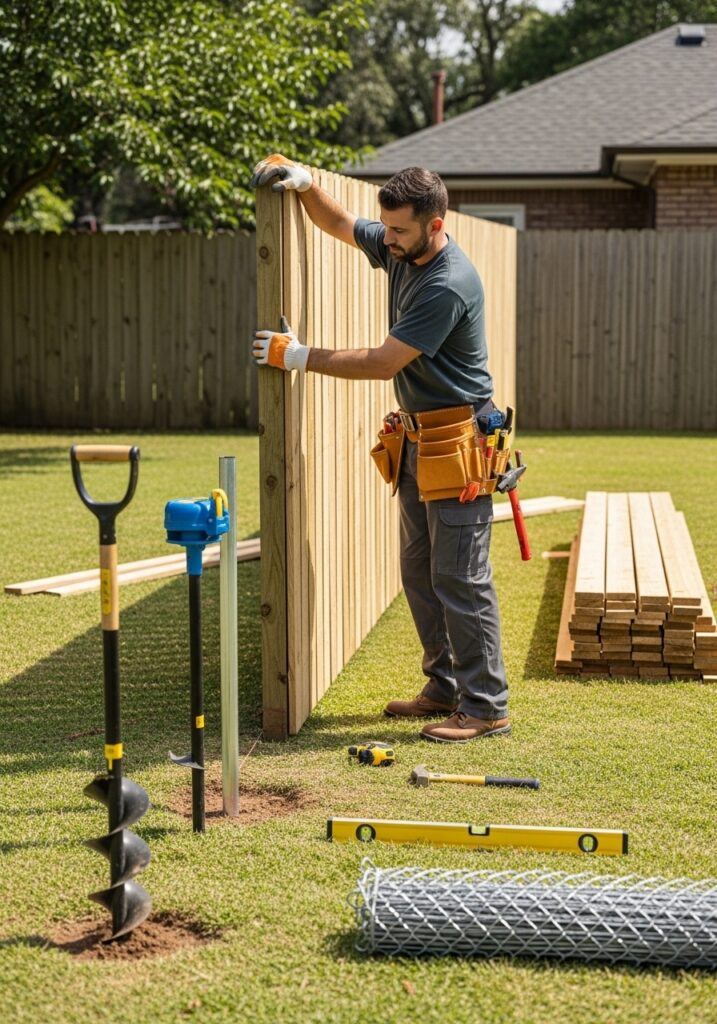
Got a smaller project? A handyman can handle basic fence installations just fine. If you’re putting up 50 feet of wood or chain-link fence, a handyman saves you money. These jobs don’t need specialized equipment or a big crew.
Budget-friendly installations are perfect for handymen. They have lower overhead than big companies, so their rates stay reasonable. For straightforward projects with common materials, a skilled handyman gets the job done.
When you should call fence contractors in Jacksonville FL:
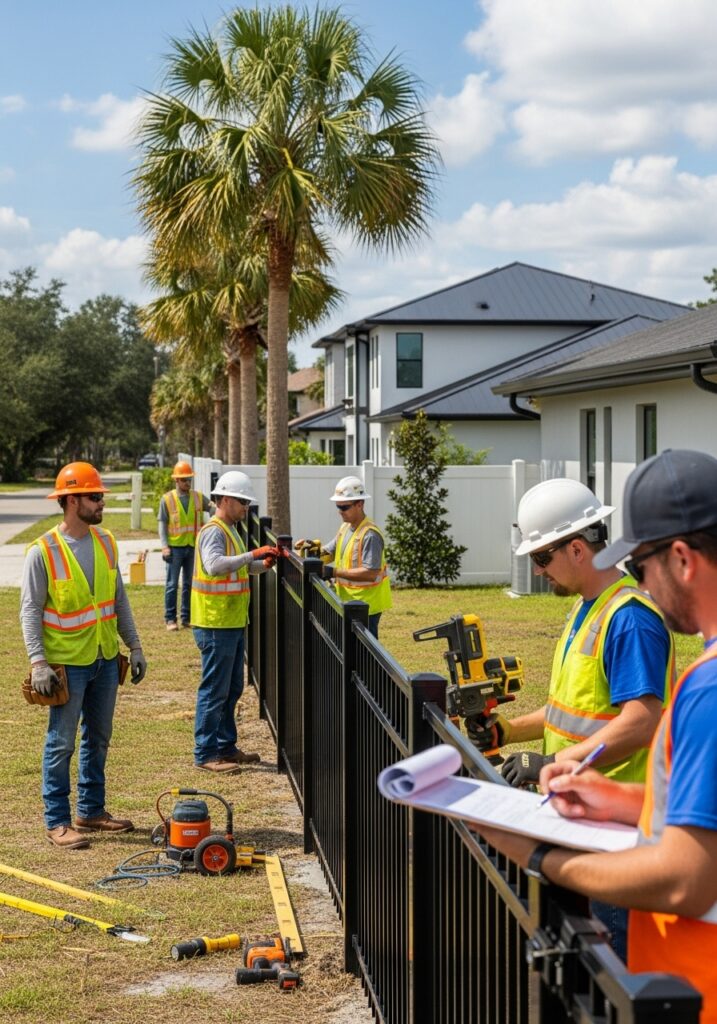
Large projects need professional crews. Installing 200 feet of fencing takes equipment, manpower, and experience. Contractors handle these bigger jobs efficiently. Complex designs require expertise. Want decorative panels, multiple gates, or intricate patterns? Professional contractors have the skills and tools. They’ve done hundreds of installations and know how to handle tricky situations. HOA or permit requirements often demand licensed contractors. Many homeowner’s associations want proof of insurance and proper licensing. Permits might require professional installation, too. Contractors in Jacksonville know local codes inside and out.
Long-term durability matters for expensive materials. If you’re investing in high-end vinyl or aluminum, professional installation protects that investment. Contractors typically offer warranties that handymen can’t match. The real question is this: how complex is your project, and how much do you value guaranteed results? Simple jobs work fine with handymen. Big investments deserve professional contractors.
Factors That Impact Fence Installation Pricing
Your final cost depends on more than just materials and labor. Several factors can push the price up or bring it down.
Fence height and length are obvious ones. A three-foot decorative fence costs way less than a six-foot privacy fence. Length matters too—200 feet costs roughly double what 100 feet does, though you might get a better per-foot rate on longer projects.
Property slope or uneven terrain makes installation harder. Flat yards are straightforward. Sloped properties need stepped or racked fencing, which takes extra time and materials. Hills mean more work digging posts and ensuring everything stays level.
Soil conditions affect how easy it is to dig post holes. Sandy soil in some Jacksonville neighborhoods digs easily. Clay soil or rocky ground? That’s tougher and takes longer. Sometimes you need special equipment to break through hard soil or remove rocks.
Permit requirements in Jacksonville add to your costs. Most fence projects need permits, especially if they’re over a certain height. Permit fees usually run $50 to $200. Your installer might handle this for you, or you might need to do it yourself.
Removing old fencing isn’t free. If there’s already a fence that needs to come down, expect to pay extra. Removal and disposal add $3 to $8 per linear foot. Old concrete footings are even harder to remove than the fence itself.
Ask about these factors when getting quotes. A contractor who visits your property can spot potential issues that affect pricing. That’s better than getting surprised by extra charges later.
How Long Does It Take to Build a 100ft Fence?
Time estimates help you plan around the installation. Most 100-foot fences take a few days, but the material and conditions make a difference.
Wood fences typically take 2 to 4 days. Posts need to be set in concrete, which has to cure overnight. Then the rails and pickets go up. Two people working together move faster than one person working alone.
Chain-link fences install quicker—usually 1 to 3 days. The framework goes up fast, and stretching the mesh doesn’t take as long as attaching individual boards. It’s one of the fastest fence types to install.
Vinyl or aluminum fencing needs 2 to 5 days. These materials require precise measurements and careful fitting. Panels must connect properly, and gates need exact alignment. Rushing leads to gaps and poor fit.
What slows things down?
Bad weather stops everything. Rain turns work sites muddy and makes concrete setting impossible. Summer storms in Jacksonville can delay projects by days.
Hard soil or rocks make digging brutal. Post holes that should take 20 minutes might take an hour each. Rock means stopping to break it up or even rent special equipment.
Permit delays happen. If your permits aren’t approved yet, work can’t start. Some neighborhoods require inspections at certain stages, which adds waiting time.
Material delivery timing matters too. If your lumber or vinyl panels arrive late, your installer can’t start on schedule. Always confirm delivery dates before scheduling installation.
Most handymen or contractors give you a time estimate upfront. Weather and surprises can stretch that timeline, so build in a little cushion if you need the fence done by a specific date.
Common Fencing Mistakes Homeowners Should Avoid
DIY projects and budget installations sometimes lead to expensive mistakes. Here’s what to watch out for.
Incorrect property line measurements cause major headaches. Building a fence six inches onto your neighbor’s property creates legal problems. Always get a survey or check your property markers before starting. The cost of moving a fence you built wrong is way more than double-checking first.
Skipping permits and HOA approvals gets you in trouble. Jacksonville requires permits for most fences. Your HOA might have rules about height, color, or materials. Getting caught means paying fines or tearing down your brand-new fence. Not worth it.
Poor post spacing or shallow posts leads to wobbly fences. Posts should be 6 to 8 feet apart and buried at least 2 feet deep—deeper in sandy soil. Shallow posts lean after a few months. Wide spacing lets panels sag. A fence is only as strong as its posts.
Choosing the wrong material for climate wastes money. Some woods rot quickly in humid climates like Jacksonville. Cheap materials fade or crack in our sun. Pick materials rated for coastal, humid environments. They cost a bit more but actually last.
Hiring unqualified installers is the biggest mistake. Someone cheap who does sloppy work leaves you with a fence that looks bad and fails early. No license or insurance means you’re on your own if something goes wrong. Always check credentials, read reviews, and ask for references.
The good news? All these mistakes are easy to avoid with a little research and choosing the right installer.
Is Hiring a Handyman Worth It?
Handymen offer advantages for certain fence projects, but they’re not always the best choice.
- The pros: Lower labor costs make handymen attractive. They charge less per hour than big fence companies. For simple projects, that saves you hundreds or even thousands of dollars. Flexible scheduling works in your favor. Handymen often work alone or with one helper, so they can fit your project around your schedule more easily than large crews. Simple fence projects don’t need specialty contractors. A basic wood or chain-link fence around a small yard? A capable handyman handles that just fine
The cons: Many handymen lack licensing or insurance. If something goes wrong—property damage, injuries, or poor work—you might not have recourse. Licensed contractors carry insurance that protects you. Limited experience with large-scale projects shows. Handymen might never have installed 300 feet of fencing or dealt with complex terrain. Experience matters when problems pop up. Fewer warranties than professional contractors leave you exposed. Most established fence companies warranty their work for years. Handymen typically don’t offer formal warranties. If your fence fails in a year, you’re paying to fix it yourself.
- The bottom line?Handymen work great for smaller, straightforward fence installations when budget matters most. For bigger investments or complicated projects, professional fence contractors in Jacksonville FL give you peace of mind. You’re paying for expertise, insurance, and accountability. Think about your project’s size, your budget, and how important long-term quality is to you. That tells you which route makes sense.
How to Get the Best Fence Price in Jacksonville FL
Shopping smart saves you money without sacrificing quality.
Compare at least three quotes. Prices vary a lot between contractors and handymen. One quote doesn’t tell you if you’re getting a fair deal. Three gives you a real sense of the market. Watch out for quotes that seem way too low—they often mean corners will be cut.
Ask about material warranties. Quality materials come with manufacturer warranties. Vinyl might have 20-year warranties. Wood treatments have guarantees too. Make sure you understand what’s covered and how long protection lasts.
Review past project photos. Any reputable installer should happily show you previous work. Look at the details—are posts straight? Do gates hang evenly? Photos tell you more than promises do.
Confirm insurance and references. Ask for proof of insurance, not just someone’s word. Then actually call a couple references. Ask how the project went, if the installer stayed on budget, and whether they’d hire them again.
Choose local fence contractors in Jacksonville FL for large projects. Local pros know Jacksonville’s soil, weather, and permit requirements. They have reputations to protect in the community. Plus, if something needs fixing later, they’re nearby.
Get everything in writing. Your contract should spell out materials, timeline, costs, and what happens if problems come up. Written agreements protect both you and your installer.
Final Thoughts
Hiring a handyman to install your fence can absolutely save you money, especially on smaller, simpler projects. Understanding your costs upfront—from materials to labor—helps you budget realistically and avoid surprises.
Wood, chain-link, vinyl, and metal all have different price points and maintenance needs. The right choice depends on your budget, your property, and how much upkeep you want to deal with later. A handyman works great for basic installations, but larger or more complex projects deserve professional fence contractors in Jacksonville FL.
Before you commit to anyone, think about permit requirements, your yard’s layout, and what could complicate the job. Compare multiple quotes, check credentials, and make sure you’re comfortable with whoever you hire.
A well-installed fence adds value, privacy, and security to your home. Whether you go with a budget-friendly handyman or invest in experienced contractors, proper planning means you’ll love your fence for years to come.