
Jacksonville Fence Removal
Fence Removal in Jacksonville, FL
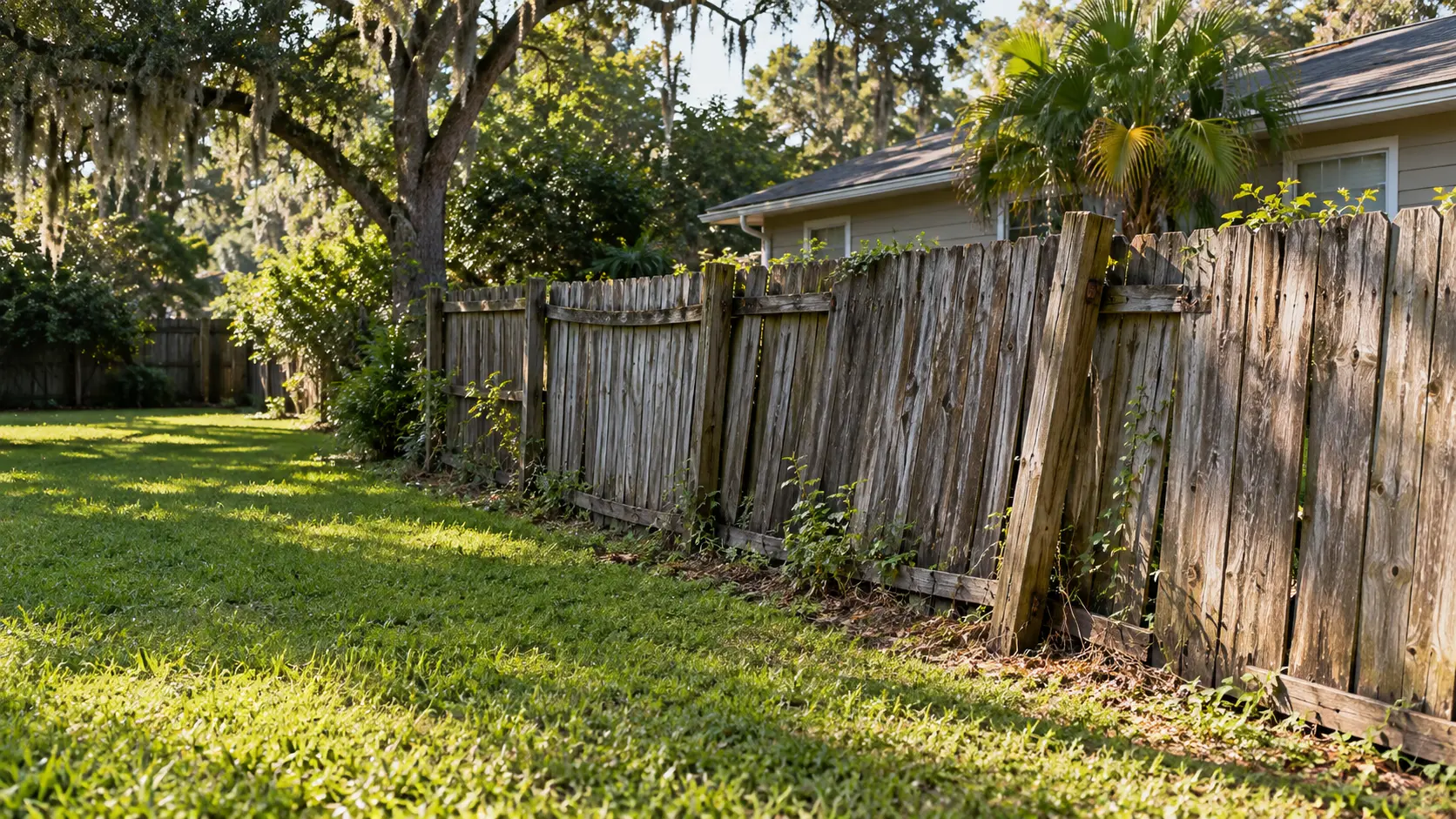
Need an old, damaged or unwanted fence removed? Fence removal may involve panels, pickets, rails, wire, gates and posts. Some projects involve one section; others require a complete tear-out before the yard is left open or a new fence is planned.
The scope depends on material, length, post condition, concrete footings, gates, vegetation and access around the property.
Share your Jacksonville-area ZIP code, fence material if known, approximate length, whether you need partial or complete removal and photos when useful.
- Old Fences
- Partial Removal
- Full Removal
- Posts
- Gates
- Before Replacement
Quick Answer
When Does Fence Removal Make Sense?
Fence removal may make sense when an existing fence is no longer needed, has widespread deterioration, blocks a planned property change or needs to come out before a different fence is installed.
A few broken boards, one leaning post or a small damaged area may still be a repair issue. A long fence with widespread problems, multiple failed posts or an unwanted layout may point toward broader removal.
You can also request removal without immediately installing another fence. Start by identifying how much fencing needs to come out and what you want the area used for afterward.
Removal Options
Fence Removal Services for Jacksonville Properties
The right starting point depends on how much fencing needs to come out, what is below ground and what should happen to the area afterward.
Complete Fence Removal
For an entire old or unwanted fence that needs to come out before the yard stays open or a different layout is planned.
Partial Fence Removal
For one side, a short run or a selected section while other fencing remains in place.
Old or Deteriorated Fence Removal
For fencing with widespread rot, corrosion, loose posts, broken sections or weather-related deterioration.
Fence Post Removal
For posts that also need to come out, including situations where concrete footings may affect the work.
Gate Removal
For gates being removed with the fence, whether the opening stays clear or a different gate is planned later.
Removal Before Replacement
For an old fence that needs to be taken out before a new layout or different fence material is planned.
Material Matters
Fence Removal by Material
Different fence materials come apart in different ways. Knowing the existing material helps define the likely scope, but you do not need to identify every component before getting started.
Wood Fence Removal
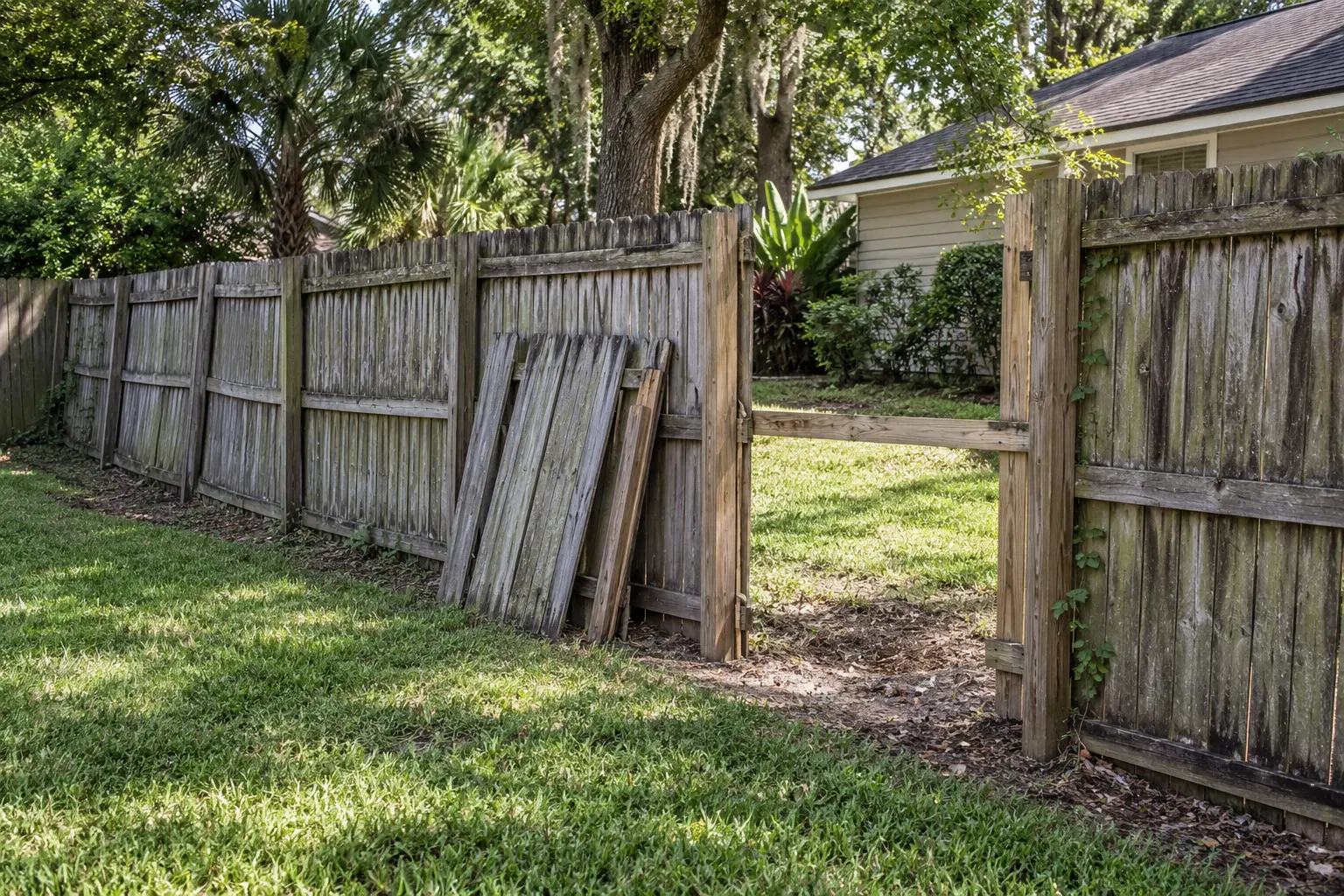
Wood removal can involve pickets, rails, prebuilt panels, posts and gates. Older wood may be weak above ground while posts remain firmly set below ground.
Chain-Link Fence Removal
Chain-link systems commonly include mesh, posts, rails, fittings, tension components and gates, so dismantling differs from a panel fence.
Vinyl Fence Removal
Vinyl panels or pickets, rails and posts may need to be separated differently from the buried supports below them.
Aluminum Fence Removal
Aluminum fencing typically uses connected sections or panels, posts, fittings and gates. The existing layout and post installation affect the scope.
Not Sure What Type of Fence You Have?
A few clear photos of the fence, posts and gates can be enough to start describing the project.
Choose the Next Step
Removal Only or Removal Before a New Fence?
Fence removal does not automatically mean another fence must be installed.
| Your situation | Good starting point |
|---|---|
| Old fence is no longer wanted | Fence removal |
| Only one section needs to come out | Partial fence removal |
| Entire fence will be replaced | Removal plus new-fence planning |
| A few isolated sections are damaged | Review fence repair first |
| Fence material is changing | Removal, then fence installation |
| Fence line or gate location is changing | Removal plus layout planning |
| Damage affects much of the fence | Compare repair, removal and replacement |
Planning a new fence afterward? Review Fence Installation in Jacksonville before the replacement layout is finalized.
Repair, Remove or Replace?
Should You Remove, Repair or Replace the Fence?
The right starting point depends on how much of the fence is affected and what you want to do with the property.
Localized Damage
One broken panel, one damaged post or a small problem may still be a repair project. If damage is isolated, start with Fence Repair in Jacksonville.
Broader Removal
Removal becomes more relevant when the fence is no longer wanted, long sections are deteriorated, multiple posts have failed, the layout is changing or a different material is planned.
Replacement Is Two Decisions
First: what needs to come out? Second: what should be installed in its place? Keeping those decisions separate helps define the project without treating every damaged fence as a complete replacement.
Below the Surface
Posts, Concrete Footings and Ground Conditions
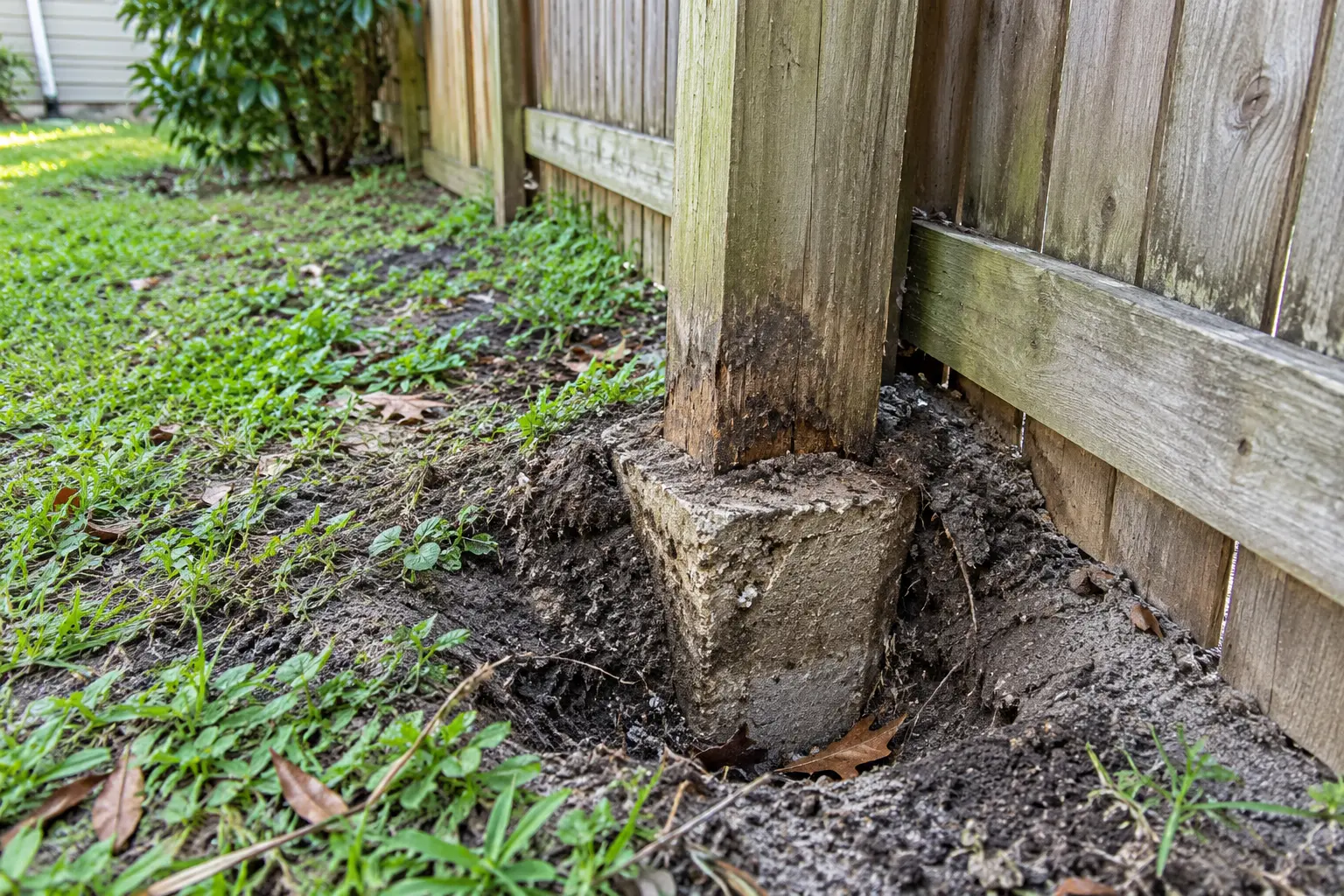
Removing visible panels is only one part of many fence-removal projects. Posts may be installed directly in the ground or set in concrete, and gate posts may be larger or more heavily supported than regular line posts.
Removal can become more involved when posts are deeply set, surrounded by large concrete footings, close to mature roots, leaning under pressure from the remaining fence or located in tight areas.
If some posts should stay while other sections come out, mention that when describing the project. Photos should show both the wider fence line and close views of visible posts or footings.
Property Access
Yard Access, Vegetation and Site Conditions
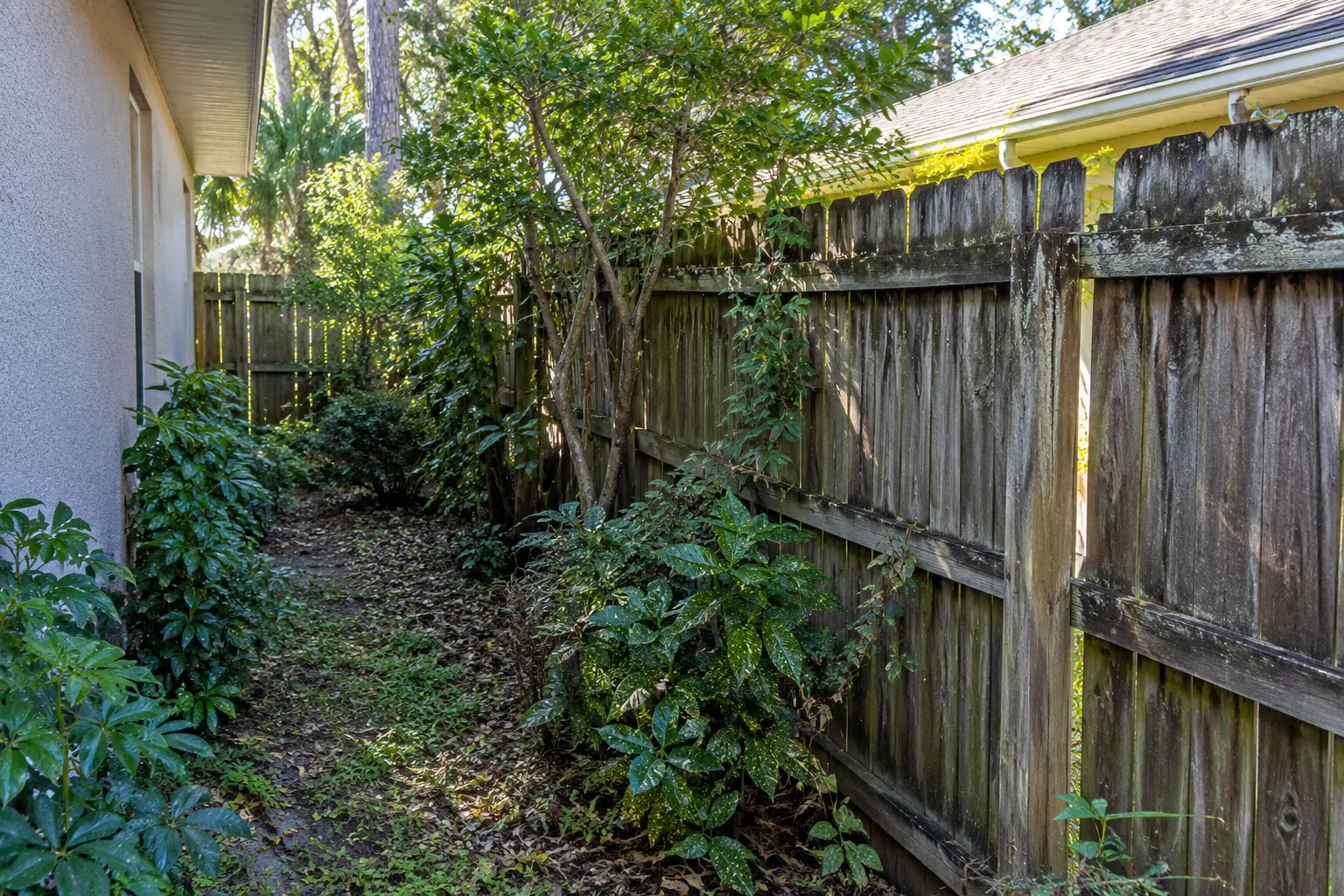
The same length of fence can require different removal work depending on the property. A clear side yard is different from fencing behind thick shrubs, along a narrow property edge or beside mature trees.
Useful details include gates and access openings, narrow side yards, slopes, heavy vegetation, tree roots, nearby structures and long carry distances from the fence to the street or driveway.
These conditions can affect how the existing fence is dismantled and how removed materials can be handled.
Photo tip: include one wide view of the fence and a few close views of difficult access, posts, gates or vegetation.
DIY Limits & Safety
When Fence Removal Is More Than a Simple DIY Tear-Out
A loose picket or small removable panel may be straightforward, but some fences can be difficult or unsafe to dismantle.
- Leaning or unstable sections
- Heavy gates
- Tensioned chain-link fabric or wire
- Large concrete-set posts
- Storm damage
- Sharp or badly corroded metal
- Sections close to underground utilities
Do not dig around unknown underground lines or pull buried posts and concrete footings without addressing utility locating when excavation is involved. If a section appears unstable, keep people and pets away from the affected area until the removal plan is clear.
After Dismantling
What Happens to the Old Fence Materials?
Fence removal can create different types of dismantled material depending on the fence.
Wood boards, chain-link mesh, vinyl components, aluminum sections, posts and concrete footings do not all require the same handling. Do not assume every component can be reused or recycled.
When requesting fence removal, explain whether your project involves tear-out only, tear-out before a replacement fence, or removal where handling of the dismantled fence materials is also part of the requested scope.
That helps define the request without assuming a specific disposal or recycling method before the project has been reviewed.
Jacksonville Planning
Jacksonville Fence Removal Considerations
Most straightforward tear-outs do not need a large zoning discussion, but property boundaries, pool-safety barriers and ground disturbance can require extra planning.
Property Boundaries
If removal will expose or change a shared boundary, do not assume the existing fence marks the exact legal property line. Jacksonville guidance says a survey is needed to accurately determine the line when location matters.
Review Jacksonville zoning guidance →Pool Barrier Fences
If the existing fence serves as part of a residential pool safety barrier, do not treat it like ordinary yard fencing. Before removal, confirm how applicable pool-safety protection will continue to be maintained.
Review Florida pool-barrier requirements →Digging & Buried Posts
If removal involves digging, pulling buried posts or concrete footings, or installing replacement posts, underground utility locating becomes relevant. Sunshine 811 says to notify 811 at least two full business days before digging.
Review Sunshine 811 homeowner guidance →Clear Next Steps
How to Start a Fence Removal Request
A useful request explains what is there now, how much needs to come out and what should happen next.
Identify the Fence
Share the material if known: wood, chain-link, vinyl, aluminum or another type.
Describe How Much Needs to Go
Explain whether you want one section, one side or the entire fence removed. Approximate length is enough to start.
Explain What Happens Next
Mention whether the area will stay open or whether a new fence is planned afterward.
Add Useful Photos
Include a wide fence-line photo and close views of posts, gates, concrete, damage or difficult access.
Project Variables
What Affects Fence Removal Cost?
There is no useful one-price-fits-all figure without knowing the existing fence and property conditions.
| Cost factor | Why it matters |
|---|---|
| Fence length | More fencing means more dismantling and material handling. |
| Fence material | Wood, chain-link, vinyl and aluminum come apart differently. |
| Fence height | Taller fences can involve larger panels, posts and gates. |
| Posts | Number, size and installation method affect removal difficulty. |
| Concrete footings | Buried concrete can add significant work. |
| Gates | Large or heavy gates can increase the project scope. |
| Yard access | Tight access can make dismantling and material movement harder. |
| Vegetation | Shrubs, vines and roots can restrict access to the fence. |
| Partial vs complete removal | Removing one section differs from a full perimeter. |
| Replacement plans | A future fence layout may affect which posts or sections need to come out. |
Better Requests
What to Include With Your Fence Removal Request
- Jacksonville-area ZIP code
- Fence material if known
- Approximate length
- Partial or complete removal
- Whether posts should come out
- Number of gates
- Whether a new fence is planned
- Photos of the fence and access conditions
Not Sure Yet?
Start With What Is There Now
You do not need a detailed project plan. If you are unsure whether the fence should be repaired, partly removed or completely taken out, describe its condition instead of trying to diagnose the project yourself.
Start with what is there now and what you want changed.
Related Fence Services
Continue With the Service That Fits the Next Step
If the project includes repair or a new fence after removal, use the dedicated service page for that part of the work.
Common Questions
Fence Removal FAQs
These answers can help you decide what information to include before requesting removal.
Can only part of a fence be removed?
Yes. Fence removal can involve one section, one side or the entire fence. Explain which areas should remain and which should come out.
Can fence posts and concrete footings be removed too?
Post and footing removal can be included in the requested scope, but the amount of work depends on how the posts were installed, their size and how much concrete is below ground.
Can an old wood fence be removed before a new one is installed?
Yes. If a replacement fence is planned, the new layout, material and post locations should be considered separately from removal of the old fence.
Can chain-link fencing be removed?
Yes. Chain-link removal can involve mesh, rails, fittings, gates and posts. The exact scope depends on the existing installation.
Should I repair or remove my old fence?
Localized damage may point toward repair. Widespread deterioration, multiple failing sections, a changed layout or an unwanted fence may make broader removal more practical.
Do I need exact fence measurements before requesting removal?
No. Approximate length, the number of fence sides and clear photos can provide enough information to start describing the project.
Should I contact 811 when removing a fence?
If removal will involve digging or disturbing the ground, such as pulling buried posts or concrete footings, underground utility locating requirements should be addressed before excavation.
Can an existing fence be assumed to mark the property line?
No. An existing fence should not automatically be treated as proof of the legal property line. When boundary location matters, a survey is the accurate way to identify it.
Start With the Existing Fence
Request Fence Removal in Jacksonville, FL
Have an old, damaged or unwanted fence that needs to come out? Share your Jacksonville-area ZIP code, fence material if known, approximate length, whether you need partial or complete removal, whether posts and gates are involved and whether a new fence is planned afterward.
Photos are useful, but you do not need every detail figured out before making contact.